01
Ship
Dry eggs arrive from a regional egg bank.
Sterile-male mosquito control, proven in Brazil
Mosquitoes kill more people than any other animal: between 725,000 and a million every year. Forrest can remove the species behind dengue, Zika and chikungunya from a city. What we cannot yet do is make our product at the scale the disease demands.
Watch the 80-second filmRead the requestThe method
A female Aedes aegypti mates once in her life. If that mate is sterile, none of her eggs hatch. Release enough sterile males and the local population collapses.
We rear males, sterilise them with a patented RNA treatment in their larval feed, and release them. Nothing is sprayed, genetically modified or irradiated.
Ortigueira results: Poncio et al., The Lancet Regional Health – Americas, 2023.
The limit
Larvae are reared in trays by hand. Adults are released by hand, from cars. Every new city means more of the same.
Dengue reached a record 14 million reported cases in 2024, and about half the world’s population lives at risk. More trays and more cars will not close that gap.
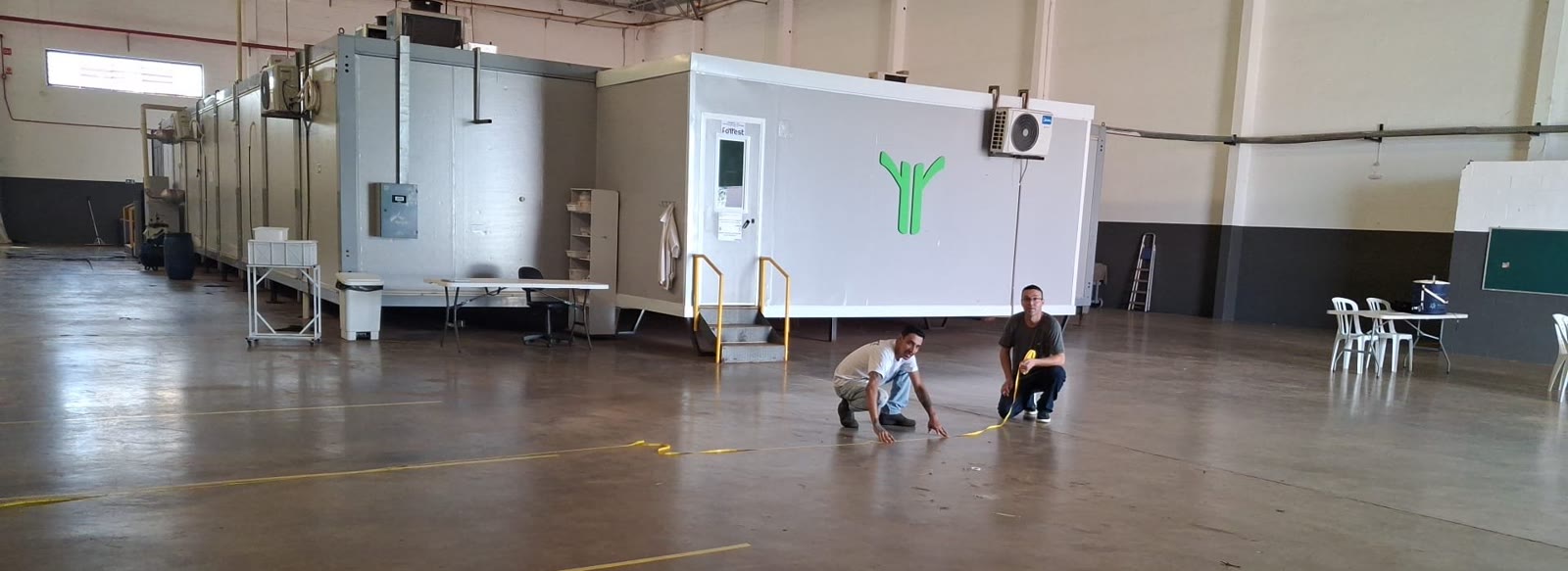
The machine we want to build
Mosquito eggs keep for months when dry. Sterile adult males last only days. So the factory should travel as eggs and finish its work on site, in an automated unit the size of a shipping container. One per city, with no one inside.
Dry eggs arrive from a regional egg bank.
Larvae grow in automated trays.
Through the feed, so there is no irradiator.
Females are removed as larvae, by size.
Drones fly planned routes, not car windows.
Traps report back and set the next route.
All six clips are AI concept footage. Nothing shown here has been built.
Where Tesla, SpaceX and Starlink fit
Tesla factory automation
A unit with no one inside needs gantries and arms to move, feed, empty and pack its trays. That is the automation Tesla builds for its own lines.
Tesla vision systems
Vision can guide those robots and inspect every tray, and the same approach can fly the release drones.
Starlink
Units, drones and traps need a reliable link in towns and regions where coverage is poor.
Tesla and SpaceX
Both companies know how to turn a hand-built process into a line, and how to drive down the cost of each unit it makes.
The concept, in 80 seconds
AI concept footage. No unit has been built.
Why this year
Executive Order 14433, signed on 29 September 2026, directs federal agencies to cut invasive mosquitoes in Washington, D.C. by 90% by 2028. It names the sterile insect technique as a priority.
Our US laboratory in Frederick, Maryland is in pre-submission discussions with the EPA.
The request
I would like to go through the design with someone who builds factories. If it interests you, we would propose a jointly owned company that designs and builds the unit, with Forrest licensing in its biology.
Reply to: [contact email to add]
Background
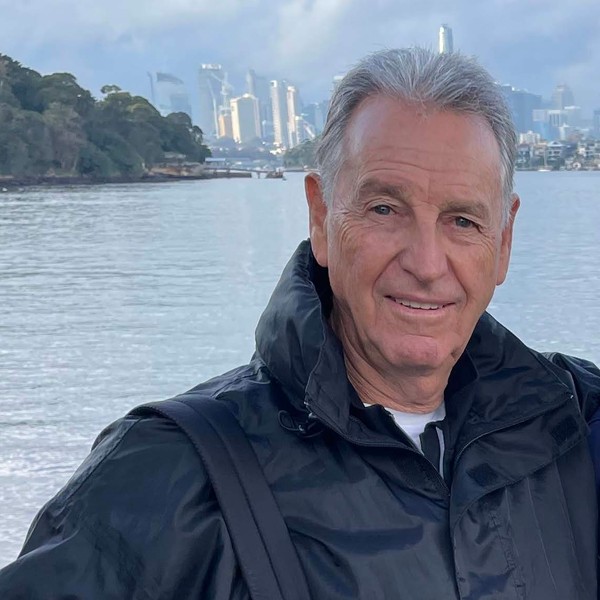
Chairman
A technology entrepreneur based in Sydney. He founded Computermatic in Johannesburg in 1972 and listed it, with three other companies, on the Johannesburg Stock Exchange in 1985. In Australia he built System Builder, one of the world’s first 4GL products, which became part of Ardent Software. Several startups he backed early were later bought by IBM for more than $2 billion.
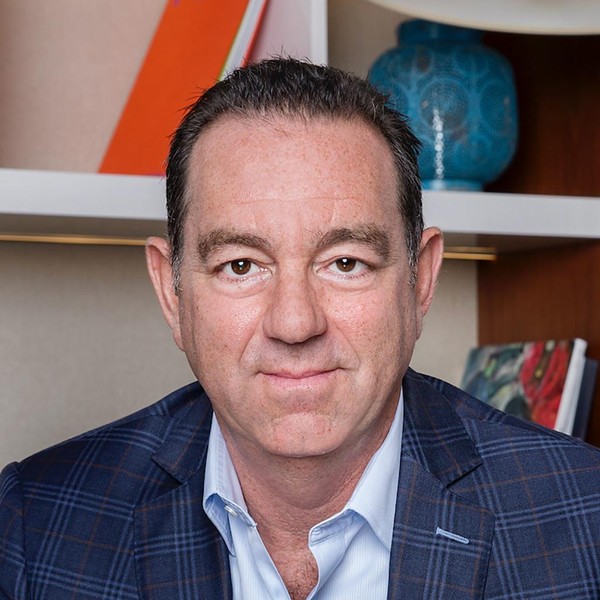
Co-owner
Former chief executive of Sage Therapeutics. Before that he spent 17 years as President of Alnylam Pharmaceuticals, the company that pioneered RNAi medicines, while its revenue grew 2,800-fold. Earlier, at Millennium Pharmaceuticals, he led the approval and launch of VELCADE.
Founder
Leads Forrest’s science and its work with the EPA. He was previously co-founder and Chief Technology Officer of Beeologics, which used RNA interference to protect bee health. Monsanto bought Beeologics in 2011, and he went on to lead its RNAi strategy.

Chief Operating Officer, Brazil
Runs Forrest’s Brazilian operations and the Londrina factory, and handles its dealings with regulators, state governments and cities. She secured the Maringá contract.